
Okay, so check this out—browsers are getting bolder. Web wallets used to feel sketchy. Now they feel polished. Wow! The idea of managing SOL in a browser tab used to make me flinch. But things changed fast, and there are real trade-offs worth thinking about before you click “connect”.
I’ll be honest: the web version of a wallet is convenient. It’s also a different risk profile than an extension or mobile app. My instinct said “easy-peasy”, but then a few things nagged at me—session persistence, cross-site requests, and how staking UX is surfaced in a browser flow. Initially I thought browser wallets would just be lightweight copies of extensions, but actually, they often reimagine flows for discoverability and first-time users, which can be good and also problematic.
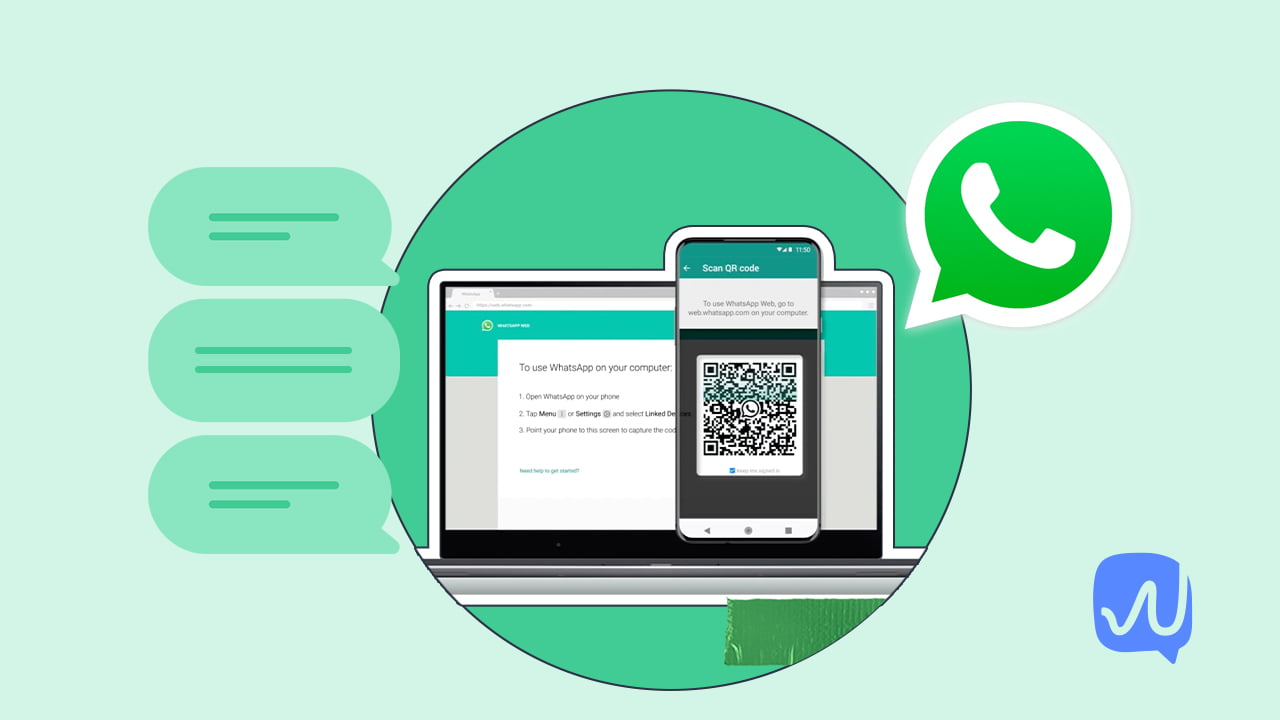
Quick primer: What “phantom wallet” on the web means
Short version: it’s a wallet UI served over the web that connects to Solana RPC endpoints and lets you manage keys, sign transactions, and stake SOL without installing a desktop extension. Seriously? Yep. This can be as simple as an in-browser key vault that interacts with dApps, or as complex as a hosted interface backed by wallet adapters and hardware key support. On one hand it’s frictionless for new users. On the other hand, though actually, the devil’s in session and key handling—how keys are stored, when keys are ephemeral, and how signing prompts are presented matter a lot.
Here’s the thing. If you’re comfortable with browser-based auth (think Gmail, banking in a tab), the web approach will feel normal. But somethin’ about cryptographic keys changes the game. You have to ask: where are the private keys held? How easy is it for other tabs or extensions to interact with the wallet? Is there a clear approve/deny pattern when a site asks to stake or transfer SOL?
Staking SOL through a web wallet: the mechanics (in plain English)
Staking SOL is conceptually simple. You delegate your SOL to a validator’s stake account, and the validator does the network work. You earn rewards proportional to uptime and commission. But the flow in a web wallet can vary. Some interfaces let you pick a validator with one click. Others show more data—uptime, commission, identity—so you can decide. My first impression was “pick the highest APY”, which is dumb. Actually, wait—APY alone isn’t enough. Look at validator reliability, stake distribution, and whether they run warm-up hardware or use protective splits.
Functionally, a browser wallet will create or assign a stake account and then sign a transaction that deploys that account and delegates it. That means multiple signatures and sometimes a few network confirmations. The wallet may offer “auto-stake” options or let you schedule re-stakes. Be mindful: claiming rewards or changing delegation can create extra transaction fees. Those fees are tiny on Solana, but they add up if you churn stakes a lot.
Security trade-offs to weigh
Short pause. Seriously, this is important. Speed and convenience often come at the cost of broader attack surface. A browser tab can be targeted by malicious scripts, malicious extensions, or phishing overlays. Medium-length thought: use secure browsing habits—keep your browser updated, audit installed extensions, and avoid connecting to unknown sites. Longer thought: consider combining the web wallet with cold-storage or hardware key signers for larger holdings; that way day-to-day interactions stay nimble, while significant assets are guarded offline, though that adds friction and onboarding complexity.
Oh, and one more nit—session persistence. Some web wallets keep you signed in for days. That is handy. It also means someone with access to your unlocked machine could send transactions if they get past OS-level protections. It bugs me. I’m biased toward short session timeouts or biometric unlocks for activities like sending or staking large amounts.
UX notes: what to expect when staking via a browser
Expect a few screens: choose a validator, approve delegation, wait for confirmations, and optionally view staking analytics. Expect some wallets to offer recommended validators by default. Expect others to bury data. There will usually be explanatory copy about how rewards work—some of it accurate, some of it fluffy. Hmm… watch for ambiguous phrasing like “instant rewards”—rewards are distributed after epoch cycles, so “instant” is a marketing stretch.
Also expect micro-optimizations: validator sorting by commission or uptime, quick filters like “recommended” or “community”, and one-click unstake (which still triggers a withdraw to your wallet after deactivation). The web UI might attempt to simplify complex blockchain concepts; that’s helpful, but don’t let simplified language replace your due diligence.
Practical checklist before you stake from the web
Quick checklist—short and practical. Update your browser. Confirm the wallet’s origin and certificate. Check that the site uses HTTPS and a valid domain name. Use a hardware signer if it’s an option. Keep small test amounts first. Verify validator info on explorers. Understand unbonding/deactivation timelines. Don’t rush.
Okay, so check this out—if you’re exploring the web version of Phantom, try the web experience at phantom wallet and compare how it handles session prompts versus the extension. I’m not saying one is perfect, but seeing both flows side-by-side reveals a lot about security posture and UX assumptions.
FAQ
Is staking via a web wallet safe?
Mostly yes, if you follow good practices. Use trusted domains, enable hardware signing when available, and treat the web interface like any other online banking tool. Don’t keep everything in a browser session, and double-check signing requests. On the other hand, small balances for experimenting are fine; large holdings deserve additional safeguards.
Will staking from the web cost more in fees?
Not really. Solana’s fees are low, and the network costs are similar regardless of interface. The real “cost” comes from UX-driven churn—frequent re-delegations or claiming tiny rewards can add up in terms of time and mistakes, though not usually in raw SOL fees.
